The brief
The organisation wanted to move funding decisions faster without losing rigour, inclusion or the relationships behind the work.
The existing process involved multiple hand-offs and a significant administrative load. Programmes, learning, legal, finance and operations each held part of the picture, but rarely had the opportunity to design the whole system together.
The challenge was not simply to produce recommendations. The team needed to test a different way of working while real funding decisions were still being made.
The approach
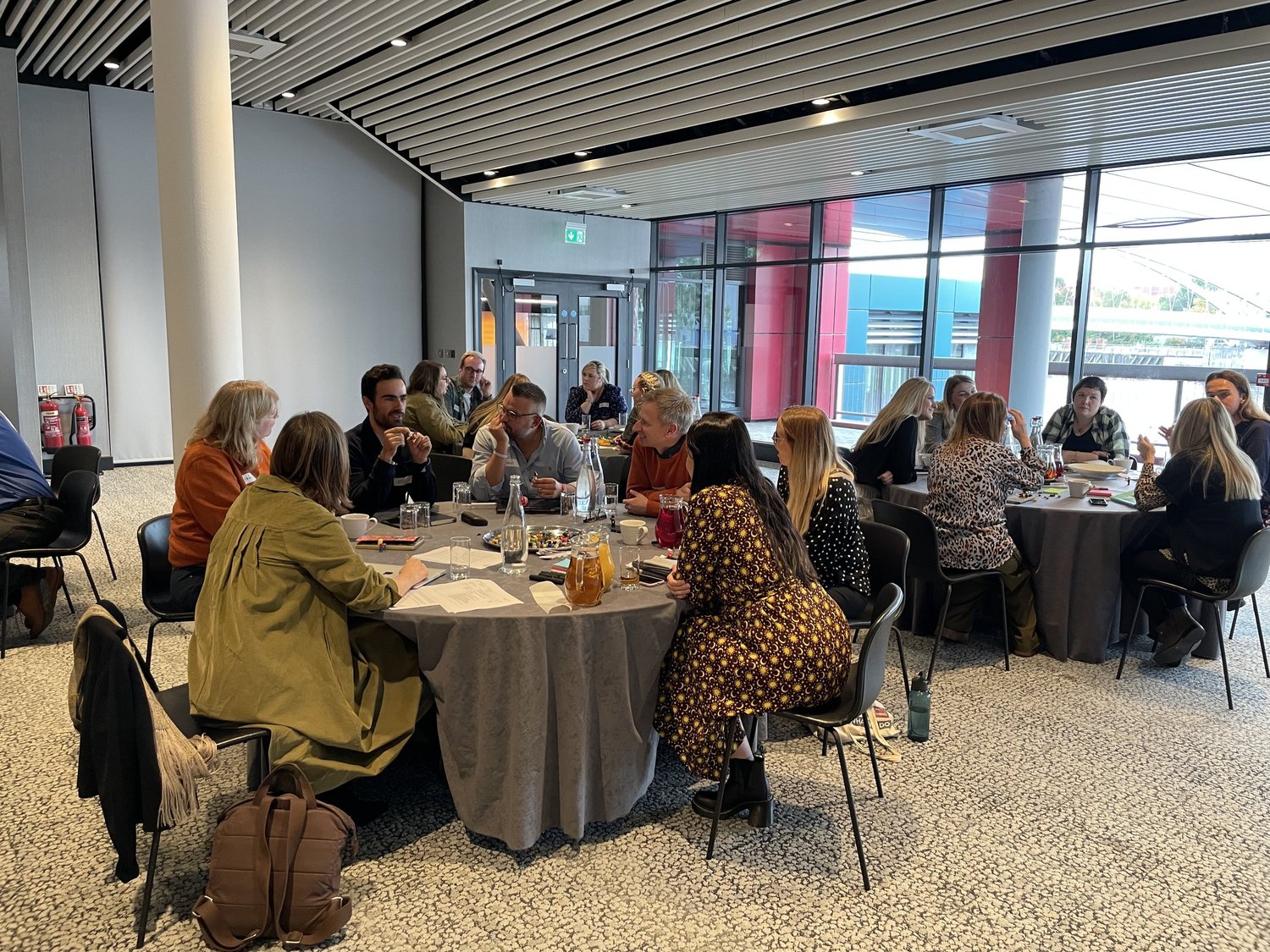
Across three six-week sprints, I worked within the team’s weekly rhythm.
We mapped how the existing process actually worked, rather than how it was assumed to work. This made the hand-offs, delays, duplicated work and decision points visible to everyone involved.
The cross-functional team then created and tested practical alternatives. These included clearer decision criteria, redesigned workflows, more useful partner language and tools that brought programmes, learning, legal, finance and operations into the process earlier.
Each sprint moved through short cycles of understanding, making, testing and deciding. The work was adjusted using evidence from live funding rounds rather than waiting until the end to discover whether the new approach worked.
The outcome
Across the three sprints, the organisation distributed £3.75m.
One funding round moved from first contact to payment in two weeks, while internal administration reduced by approximately 60%.
The work also changed how the team collaborated. Cross-functional working became part of the normal grantmaking process rather than something created temporarily for the sprint.
The organisation was left with tested workflows, decision tools, clearer ownership and a process it could continue to develop without relying on an external facilitator.